
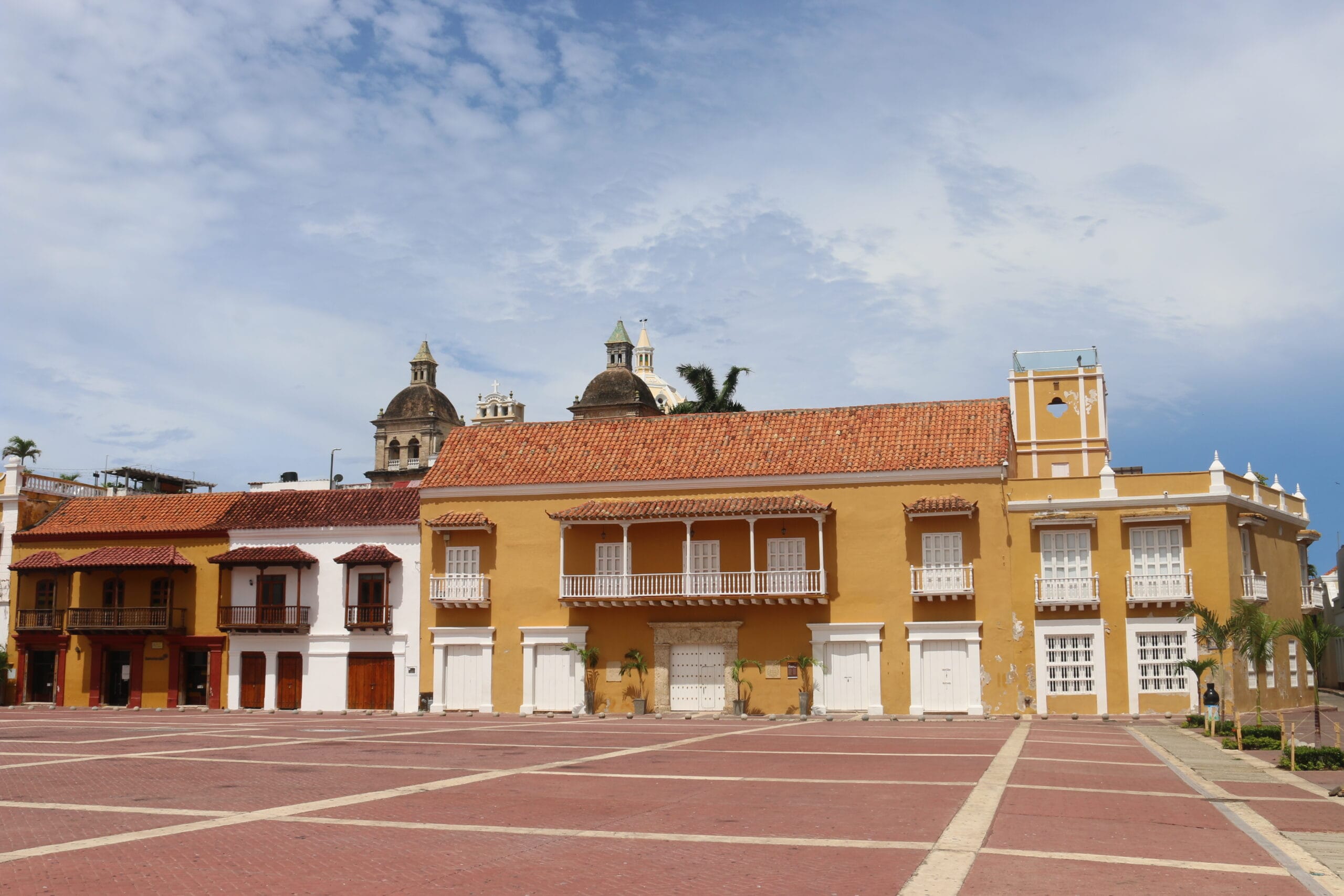
Founded in 1533, Cartagena quickly became Spain’s golden gateway to the Americas. Its riches made it a constant pirate target—so much so that the Spanish crown built one of the most impressive walled defenses in the hemisphere. Today, Cartagena’s Old Town is a UNESCO World Heritage site where colonial balconies drip with bougainvillea, cobbled plazas whisper centuries of stories, and music drifts through the air like a living soundtrack.
Cartagena isn’t just preserved history—it’s a cultural powerhouse. From hosting international literary festivals to the world-class Cartagena Music Festival, the city continues to draw thinkers, artists, and dreamers.
All About the Port of Cartagena
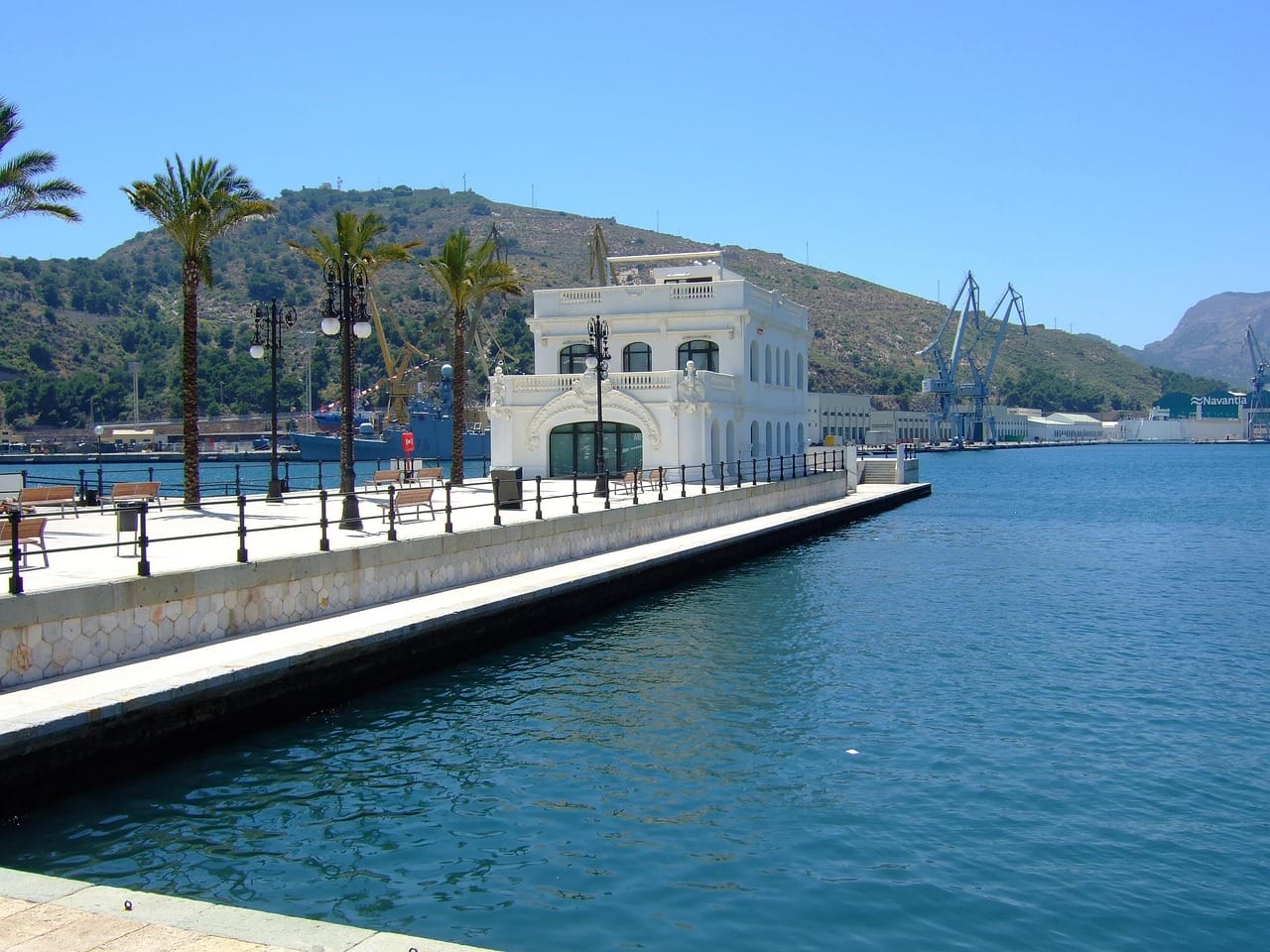
The Port of Cartagena is one of Spain’s most historic and scenic cruise ports, nestled along the country’s southeastern Mediterranean coast. It’s located just a short walk (around 1 km) from Cartagena’s city center, making it easy for visitors to explore the ancient streets, Roman ruins, and lively waterfront right after disembarking.
Language: Spanish (English commonly spoken in tourist areas)
Currency: Euro (€)
Best Season: Spring (April – June) and early fall (September – October)
Fun Fact: Cartagena’s port has been in use for over 2,500 years. Founded by the Carthaginians in 227 BC, it became one of the most important naval bases in the ancient Mediterranean world.
Don’t let the industrial setting fool you—the Cruise Terminal here is one of the most unique in the Caribbean. Just steps from your ship lies Port Oasis, a 10,000-square-foot garden sanctuary filled with 7,000 animals from 74 species. Many were rescued from traffickers and now thrive under the care of the port’s workers. It’s free, it’s close, and it’s unforgettable.
Distances & Getting Around
From the terminal, you’re only 3.5 miles from Old Town. Sounds like a walk? Technically yes—but with Cartagena’s tropical heat (77–88°F, humidity above 80%), I strongly recommend saving your energy for exploring inside the city. Grab a taxi or the a shuttle if your ship provides it.
Pro tip from experience: Always plan around traffic. With only two main avenues into town, congestion is constant. Build in a buffer if you’re returning to the ship close to all-aboard time.
Top Attractions to Visit in Cartagena (Port Highlights)
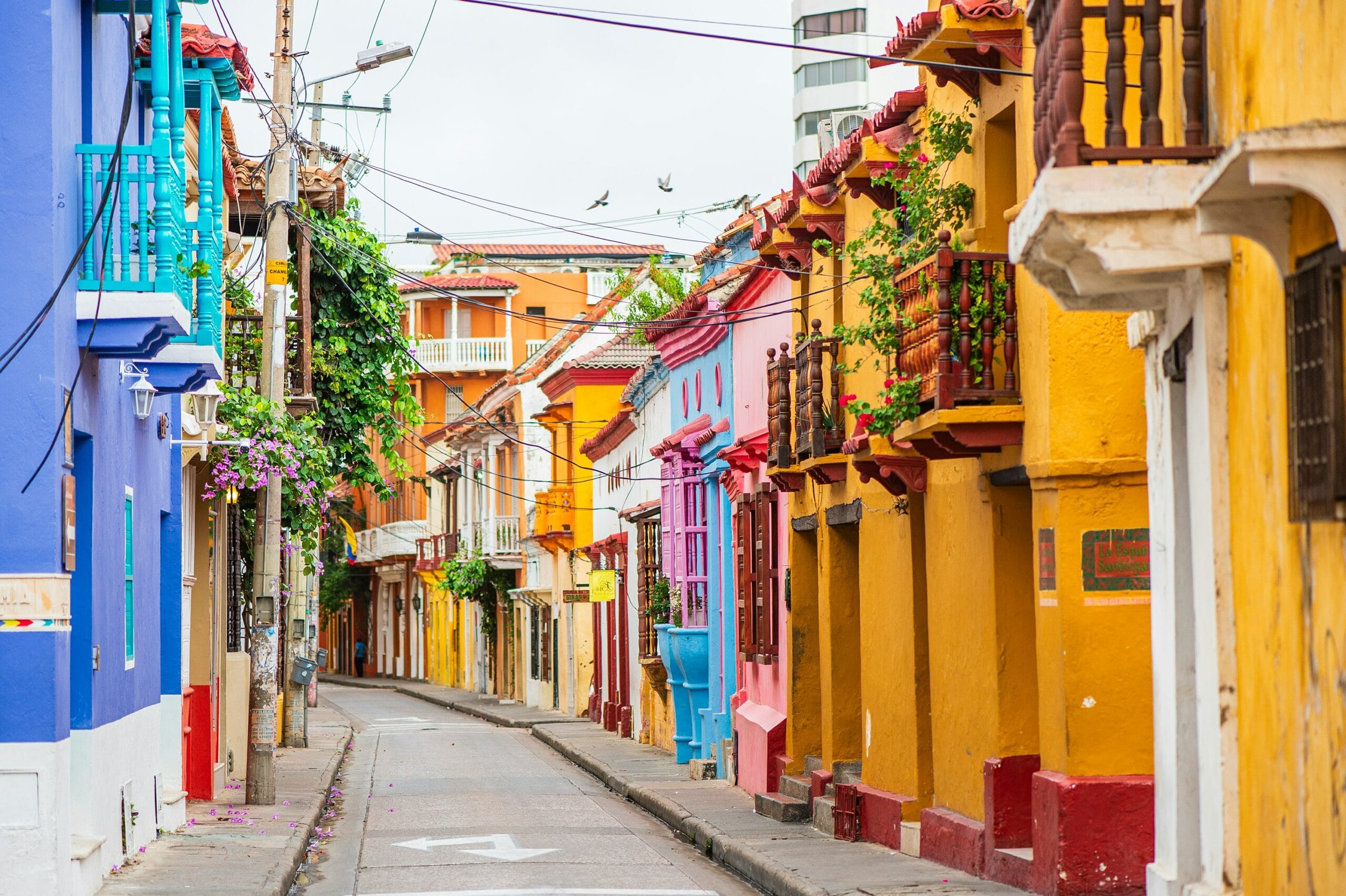
If you only have one day to spare in Cartagena, focus on a few key attractions that showcase the city’s rich history and charm. This section of the Cartagena cruise port guide highlights the top sights to visit during your port stop.
1. The Walled City (El Centro)
Travel time from the port: 5–10 minutes by taxi or 15 minutes on foot
Google Map: https://maps.app.goo.gl/UqhLKSjAkTnp7UD18
Recommended visit duration: 1–1.5 hours
Tip: Visit early in the morning or late in the afternoon to avoid the heat and enjoy quieter streets. Don’t miss walking along the city walls for panoramic views of Cartagena’s colorful colonial architecture and the Caribbean Sea.
2. Castillo San Felipe de Barajas
Travel time from the port: About 10 minutes by taxi
Google Map: https://maps.app.goo.gl/1AohiUVpschjsKoE9
Recommended visit duration: 1–1.5 hours
Tip: Wear comfortable shoes. The walk up is steep but worth it for sweeping views of the city. Hiring a local guide helps bring the fortress’s fascinating military history to life.
3. San Diego & Getsemaní
Travel time from the port: 10 minutes by taxi or 20 minutes on foot
Google Map: https://maps.app.goo.gl/JtxygSchNjYF57dX7
Recommended visit duration: 1–2 hours
Tip: Wander through the colorful streets filled with murals, boutique cafés, and lively plazas. Come in the late afternoon to catch the local buzz before dinner time.
4. La Popa Monastery
Sitting high above the city, this monastery offers sweeping views and a spiritual respite.
Travel time from the port: 20–25 minutes by taxi (uphill drive)
Google Map: https://maps.app.goo.gl/NhMHh7sr7f8WD4gVA
Recommended visit duration: 45 minutes–1 hour
Tip: Visit in the morning for clear skies and the best panoramic views of Cartagena and the bay. It’s best to go by taxi or on a guided tour for safety and convenience.
5. Modern Cartagena (Bocagrande & Castillogrande)
High-rises, beaches, and nightlife—a sharp contrast to the Old Town, but part of Cartagena’s story.
Travel time from the port: 15 minutes by taxi
Google Map: https://maps.app.goo.gl/uifC8yoihS2k32hF8
Recommended visit duration: 1–2 hours
Tip: Stroll along the beachfront promenade, shop in upscale boutiques, or relax at one of the seaside cafés. Bocagrande is great for a modern contrast to the Old Town’s colonial charm.
6. San Basilio de Palenque
A living testament to Afro-Colombian heritage and the first free town of the Americas.
Travel time from the port: 1.5 hours by car (50–55 km)
Google Map: https://maps.app.goo.gl/JcpRzHkHmV3bLZby9
Recommended visit duration: Half-day (4–5 hours)
Tip: Join a guided tour to understand the village’s powerful history as the first free African settlement in the Americas and experience its music, language, and traditions firsthand.
7. Rosario Islands
Choose your vibe—laid-back beach day or full-on fiesta. Either way, turquoise waters and coral reefs await.
Travel time from the port: 1 hour by boat
Google Map: https://maps.app.goo.gl/bdwBgqeA7A8E9pKS9
Recommended visit duration: Half-day to full day
Tip: Book a day trip that includes snorkeling or lunch at a private beach club. Boats usually depart in the morning and return by mid-afternoon—perfect for a relaxed Caribbean escape.
How to Spend 6 Hours in Cartagena: A Journey Through Time and Color
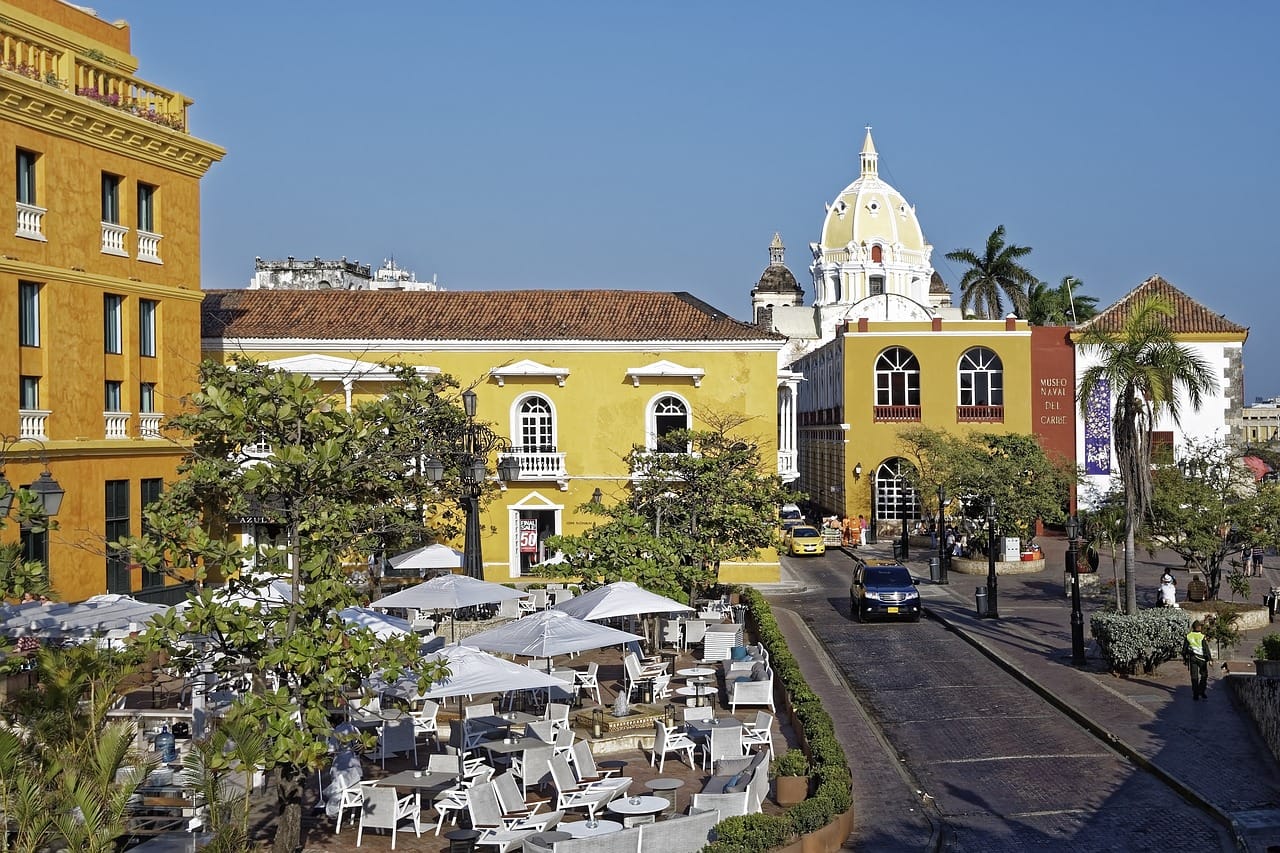
9:00–10:30 AM — Castillo San Felipe de Barajas: Stone and Strength
Start your day where Cartagena’s story began — on the ramparts of its great fortress. Built to guard the city from pirates and invaders, Castillo San Felipe de Barajas still stands proud, its tunnels whispering of centuries past.
- Why go early: Beat the heat and the crowds — mornings here are cooler, and the rising sun sets the stone walls aglow.
- Pro Tip: Take a local guide to uncover the fortress’s secret passageways and military brilliance.
Travel insight: History feels different when you can touch it — rough, real, and resilient.
10:30 AM–12:00 PM — The Walled City (El Centro): Stories in Every Color
From the fortress, make your way to Cartagena’s Old Town, a maze of pastel facades, balconies dripping with bougainvillea, and horse-drawn carriages echoing down narrow lanes.
Stroll past Plaza de los Coches, Plaza Bolívar, and the Cathedral of Cartagena, pausing to watch life unfold at café terraces.
- Snack break: Stop for a fresh-squeezed limonada de coco (coconut lemonade) or buy an arepa from a street vendor — both Cartagena essentials.
Travel insight: In Cartagena, time doesn’t move in hours but in colors, sounds, and smiles.
12:00–1:30 PM — Lunch in Getsemaní: Where Art Meets Appetite
Cross into Getsemaní, once a working-class neighborhood, now the beating creative heart of Cartagena. Murals bloom on every wall, music spills from doorways, and lunch is a celebration of flavor.
Find a shaded table at a local restaurant — try La Cocina de Pepina or Demente — and savor dishes like fried mojarra (fish), coconut rice, and plantains.
Pro Tip: Ask the chef about the dish’s origin. Every meal here tells a story.
Travel insight: Cartagena’s soul lives in Getsemaní — bold, colorful, and joyfully imperfect.
1:30–3:00 PM — La Popa Monastery: Silence Above the City
End your short journey with a view that holds the whole of Cartagena in its embrace. A short taxi ride takes you to La Popa Monastery, perched high on a hill above the bay.
Inside, flowers frame the Virgin of La Candelaria, Cartagena’s patron saint. Step outside, and the city stretches beneath you — the old, the new, and the sea beyond.
- Why end here: After a morning of color and sound, this is Cartagena’s moment of stillness.
Travel insight: From above, you see it all — yet realize the city’s greatest beauty is found in its small moments below.
Insider Food Picks

No Cartagena de Indias travel guide would be complete without talking about the food. In fact, sampling local dishes should be on top of your list of things to do in Cartagena de Indias. Here are my top food picks:
Arepa de Huevo
Arepa de Huevo is a golden, crispy corn pocket stuffed with egg and sometimes with ground beef. This Cartagena street food favorite is best enjoyed hot from a local street vendor.
Sancocho de Pescado
This hearty fish stew, often prepared with coconut milk and served alongside fried fish, is Caribbean comfort food at its finest. Rich, warming, and full of local flavor, it offers an authentic taste of coastal Colombia.
Colombian Coffee
Colombia is the world’s second-largest producer of Arabica beans, and Cartagena is the perfect place to savor them fresh. Grab a cup at a café or buy beans directly to bring home.
Beyond the top attractions
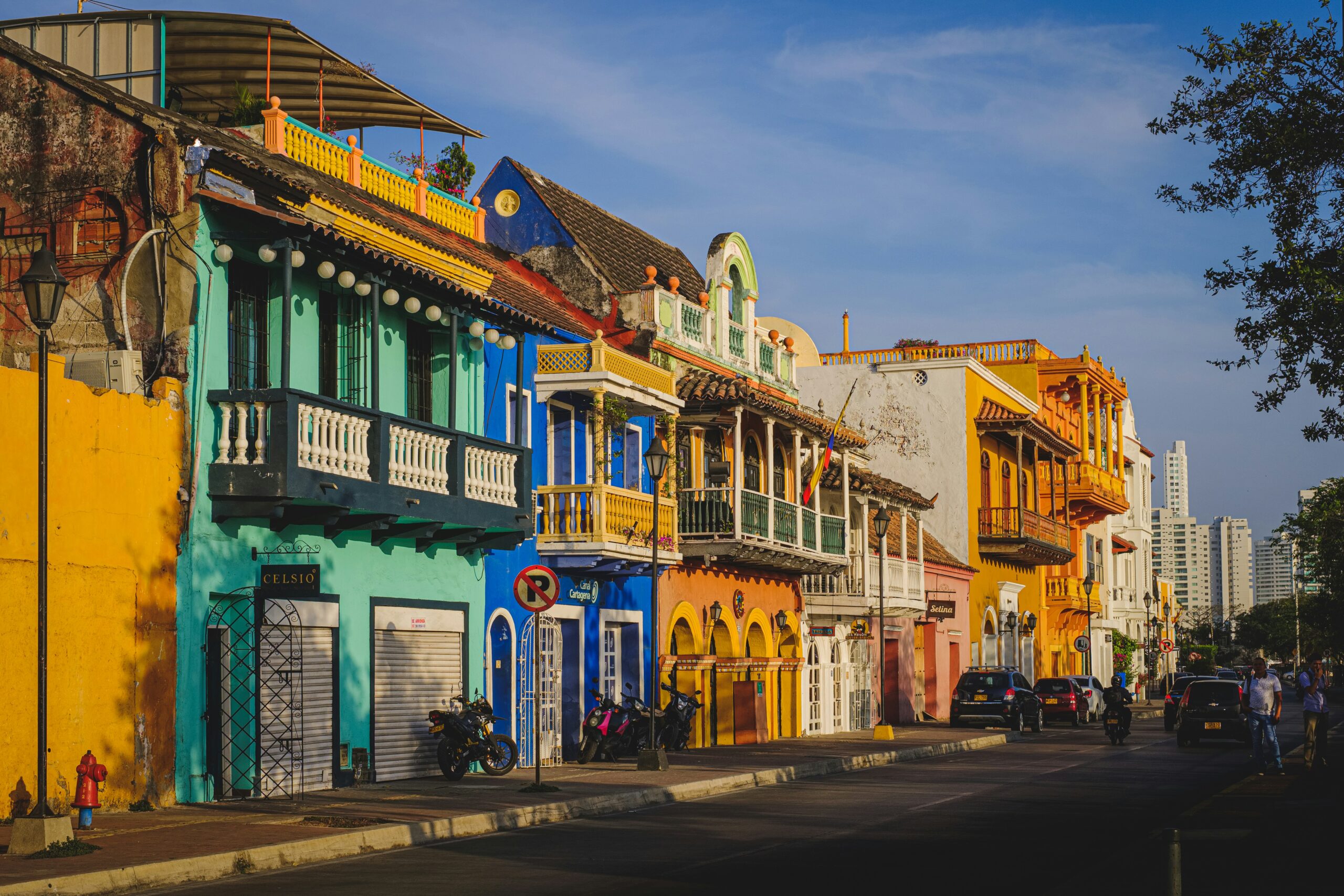
If you’ve already wandered through Cartagena’s famous fortress and colorful Old Town or you’re simply craving a deeper connection with the city, there’s much more to discover beyond the postcard views.
Here are a few ways to make your day in port even more memorable:
Sail to the Rosario Islands
Just an hour off Cartagena’s coast lies the Rosario Islands, a tropical escape of turquoise waters and coral reefs. Spend your afternoon snorkeling, swimming, or lounging at a private beach club surrounded by palm trees and sea breezes.
Getting there: Join a half-day island tour or private boat charter from Cartagena’s marina — most tours depart around 9:00 AM and return by mid-afternoon.
Shop and Savor Local Life at Mercado de Bazurto
If you want to see Cartagena as locals live it, head to Bazurto Market — a chaotic, colorful maze of produce stalls, fishmongers, and music vendors. It’s raw, real, and unforgettable.
Getting there: 15–20 minutes by taxi from the cruise port. Go with a local guide for the safest and most immersive experience.